Core Puzzle Logic
At its heart, Puzzle Leap asks players to solve spatial problems. Each platform arrangement presents a unique sequence of moves. Success depends on reading the distance between surfaces and timing the jump correctly. The game rewards players who think ahead rather than react quickly, making it a thoughtful experience for those who enjoy methodical problem-solving.
Level Design Progression
The early stages introduce basic platform patterns, allowing newcomers to grasp the rhythm. As players advance, the layouts become more varied, requiring careful observation of each gap and surface. Some platforms may shift or require specific approach angles, encouraging players to adapt their strategies. This gradual ramp-up keeps the experience fresh without overwhelming beginners.
Visual Style and Feedback
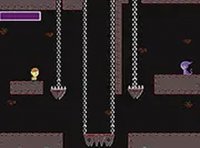
The game uses a clean, cheerful visual design that clearly communicates each platform's position. Bob's animations provide clear cues for successful landings or missed steps. The interface remains uncluttered, letting players focus on the puzzle at hand. Optional full-screen mode enhances visibility on larger monitors, which can be helpful for later stages with tighter spacing.
Accessibility and Control
Controls are straightforward, relying on keyboard or mouse input. This simplicity ensures that players of all skill levels can pick up the game quickly. The lack of complex button combinations means the challenge comes purely from the puzzle design, not from mastering controls. This makes the game suitable for casual sessions or longer play periods.
Family-Friendly Design
Puzzle Leap is built for a broad audience. The content contains no mature themes, and the difficulty curve ensures that younger players can enjoy earlier levels while older players find satisfaction in later puzzles. The lighthearted tone and clear objectives make it a good choice for shared screen time or solo relaxation.







Comments
0 comments