 QuickTapDen
QuickTapDen
QuickTapDen
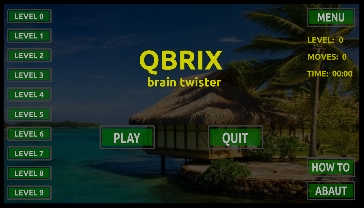
Qbrix Brain Twister stands out by merging the familiar cube rotation with image reconstruction. The ten difficulty levels ensure a steady learning curve, and the gear connections in later stages require careful planning. The random image selection and refresh option give good replay value. Controls are responsive, and the interface is uncluttered. It is a solid choice for anyone wanting a quiet, brain-engaging activity without distractions.
Qbrix Brain Twister is a 3D puzzle game that blends elements of a Rubik's Cube with a jigsaw puzzle. The game presents a three-dimensional grid of cubes, each displaying a portion of a larger image. After an automatic scramble, your goal is to rotate the cubes in the correct sequence to restore the original picture. The challenge increases across ten levels, with later levels introducing gears that link adjacent cubes, causing moves to affect multiple pieces. This design tests your ability to plan ahead and think in three dimensions. Six different images appear randomly, and you can refresh a level to get a picture you prefer. Qbrix is suitable for puzzle fans who enjoy a mental workout and want to improve their combinatorial thinking.
To play, click the PLAY button to start the scrambling sequence. Once the image is scrambled, click on any cube you want to rotate. Use the arrow keys to choose a direction and work on putting the image back together. Try to keep your total number of moves as low as possible. If a level feels too hard, you can change it anytime by clicking the MENU button. At the start, MENU also lets you switch the interface view for a better look at the image. Beginners should start with level one, where all cubes are loose, to understand the basics before moving to more complex levels.
Family-friendly gameplay. Ten levels of increasing difficulty. Gears connect cubes in higher levels for added complexity. Six different images appear randomly. Option to refresh a level for a new picture. Tracks your move count for self-improvement. Simple controls with mouse and arrow keys.
Start with level one to master the basic rotation mechanics before tackling levels with linked gears. Pay close attention to the image reference to identify which cubes need adjustment. Plan your moves in advance, especially when gears connect multiple cubes, as one action can shift several pieces. Keep your move count low by avoiding unnecessary rotations. If a level feels too challenging, use the refresh option to try a different image that may be easier to solve. Practice regularly to improve your spatial reasoning and speed.

Bright, cooperative puzzles with a fun camera mechanic. Great for kids and family play.

Charming puzzles with Spongebob. Easy to learn and relaxing to play. Perfect for quick fun.

Four mini-games in one package. Simple controls and safe fun for kids. Great for short breaks.

Clean design and smooth controls. Each level offers a fresh challenge that keeps you coming back.

Clean tile-matching puzzles with a fun dress-up reward system. Ideal for casual play.
Four fun mini-games that teach sorting, coding, and reflexes. Great for kids and fans of Ben 10.

Simple controls and cheerful graphics. A fun way to pass a few minutes.
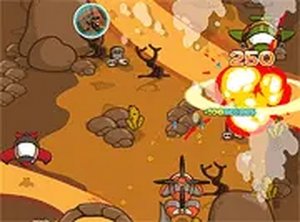
Smooth controls and vibrant visuals make this a great choice for quick aerial combat sessions.