Mission Selection and Preparation
Players start by choosing from three distinct rescue scenarios. Each scenario involves a different animal in a unique environment. Before setting out, the animal companions can be customized with various clothing items. This preparation phase encourages creativity and allows players to express personal style. The interface is designed for young children, with large buttons and simple drag-and-drop mechanics.
Vehicle Assembly and Customization
After dressing the characters, players move to the vehicle construction phase. Here, they select from various toy parts such as flags, wheels, and other components to build a functional mode of transportation. The assembly process teaches basic cause-and-effect relationships. Different combinations may affect how the vehicle handles during the rescue mission. This element adds a layer of strategic thinking without being overly complex.
Navigating the Rescue Scenarios
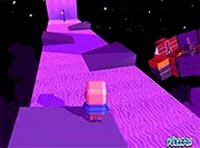
Each rescue mission presents a different set of gentle obstacles. For the bird rescue, players guide a flying vehicle through a cityscape while avoiding floating objects. The aquatic mission involves steering a watercraft around marine obstacles to reach a stranded sea creature. The polar mission requires careful navigation through icy waters. Success depends on timing and smooth control rather than speed or aggression.
Skill Development Through Play
The game naturally builds several cognitive skills. Players improve hand-eye coordination by steering vehicles and avoiding obstacles. The dress-up and building phases encourage creative thinking and problem-solving. Each mission requires planning a route and adjusting to changing conditions. The non-competitive nature of the game allows children to learn at their own pace without pressure.
Visual Style and Accessibility
The graphics use bright, cheerful colors with simple shapes that appeal to young audiences. Characters have friendly expressions and animations that reinforce positive emotions. Text is minimal, making the game accessible to pre-readers. Audio cues provide guidance and feedback. The overall design creates a calm, inviting atmosphere that encourages repeated play without frustration.







Comments
0 comments