Core Movement Mechanics
Players control a character navigating through a series of enclosed spaces. The primary actions involve moving horizontally and leaping over obstacles. Collision with any barrier resets the current stage, emphasizing the need for accurate positioning. The controls are responsive, allowing for quick adjustments mid-air. This design creates a loop where each attempt teaches something new about the layout.
Stage Progression Design
Early stages introduce simple barriers spaced far apart, letting players get comfortable with the controls. As players advance, the arrangement of obstacles becomes denser and more varied. Some barriers move, requiring players to wait for the right moment to pass. Others are placed at angles that demand precise jumps. This gradual increase in difficulty keeps the experience engaging without feeling unfair.
Visual and Audio Atmosphere
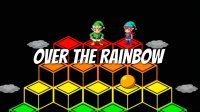
The game uses a clean, minimal visual style with a cool blue color palette that matches the name. The corridor environments are clearly defined, making it easy to spot upcoming obstacles. Sound effects provide feedback for successful moves and collisions. The overall presentation is calm and focused, helping players concentrate on the task at hand.
Accessibility and Platform
This game runs directly in a web browser on desktop computers. There is no need to download or install any software. A full-screen mode is available to reduce distractions. The simple control scheme means players of all ages can start playing immediately. The game is designed to be family-friendly, with no violent or inappropriate content.
Practice and Mastery
Repeating stages is a core part of the experience. Each restart provides another opportunity to refine timing and learn the obstacle patterns. Over time, players develop muscle memory for tricky sections. The game rewards patience and persistence, as even the most challenging corridors become manageable with practice. This loop of try, fail, and improve is central to the game's appeal.





Comments
0 comments