 QuickTapDen
QuickTapDen
QuickTapDen
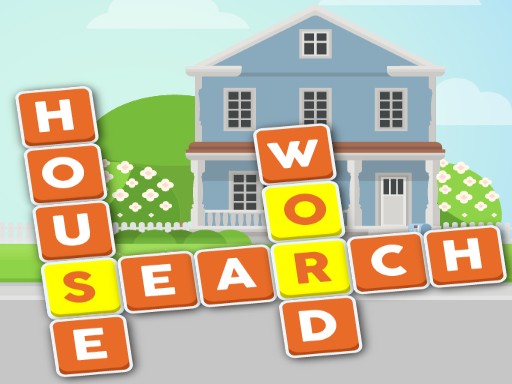
Classroom Letter Hunt succeeds by keeping its design simple and its purpose clear. The school-themed word lists feel relevant without being forced, and the gradual increase in grid size gives children a steady sense of accomplishment. The hint system is a thoughtful addition that prevents frustration. While the game does not offer flashy animations or complex mechanics, it delivers exactly what it promises: a quiet, effective tool for building early literacy skills. Parents and teachers looking for a no-distraction learning activity will find this a reliable choice.
Players receive a grid filled with letters and a list of terms to locate. Each term is hidden among the letters, placed in straight lines that may run left to right, top to bottom, or diagonally. The goal is to trace each term by selecting the correct letters in order. Completing a term removes it from the list and adds to the player’s score. This core activity trains the eye to spot patterns and sequences within a busy visual field.
The terms used in each puzzle center on items commonly found in a school setting. Words like chalkboard, backpack, ruler, and crayon appear regularly. This thematic focus helps reinforce the names of everyday objects that children encounter during their school day. By associating the puzzle activity with familiar items, the learning feels natural and connected to real life.
New players can start with simpler grids that contain fewer letters and shorter terms. As confidence grows, larger grids with longer terms and more complex arrangements become available. A hint feature is included for moments when a term proves difficult to locate. This ensures that children of varying reading abilities can participate without frustration.
The interface uses bright colors and large buttons that are easy for small fingers to tap. Navigation is straightforward, allowing children to move between puzzles without adult assistance. The layout works well on both tablet screens and computer monitors, making it a flexible option for different learning environments.
Regular interaction with this type of puzzle helps strengthen several key abilities. Recognizing letter patterns improves reading fluency. Seeing a term spelled out repeatedly reinforces correct spelling. The act of scanning the grid trains visual attention and concentration. These benefits accumulate naturally as the child engages with each new puzzle.

A relaxing yet challenging block breaker with simple controls and vibrant graphics. Perfect for quick play sessions.

Swing Arcade offers addictive timing challenges with colorful visuals and smooth animations. Perfect for quick fun.

A relaxing 3D puzzle game with intuitive controls and no time pressure. Perfect for casual play.
A calming grid puzzle that turns lawn care into a satisfying brain workout. Perfect for short breaks.
A relaxing and engaging puzzle game that sharpens observation skills. Perfect for all ages.
A fun physics-based driving game that challenges you to protect an egg on bumpy roads. Simple controls and cheerful graphics.

A relaxing and strategic number merging puzzle. Bright colors and no time limits make it perfect for casual play.
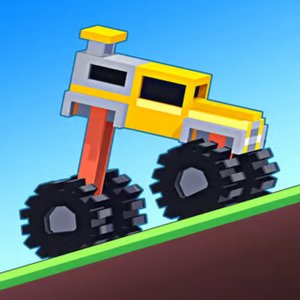
A fun physics-based driving game that challenges balance and control. Simple controls, creative levels, and unique vehicles.

A cheerful puzzle adventure with beloved characters. Perfect for family fun and gentle problem-solving.
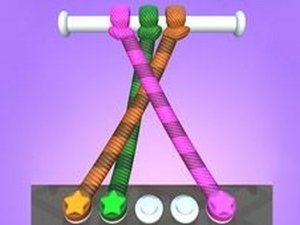
A calming yet challenging puzzle game with colorful visuals and intuitive controls. Perfect for unwinding.
Comments
Sign in to comment
You must be logged in before posting a review or rating.
No account? Create one
No comments yet. Be the first to comment!